The Heartbeat of Bengal: Durga Pujo & Bengali Emotions
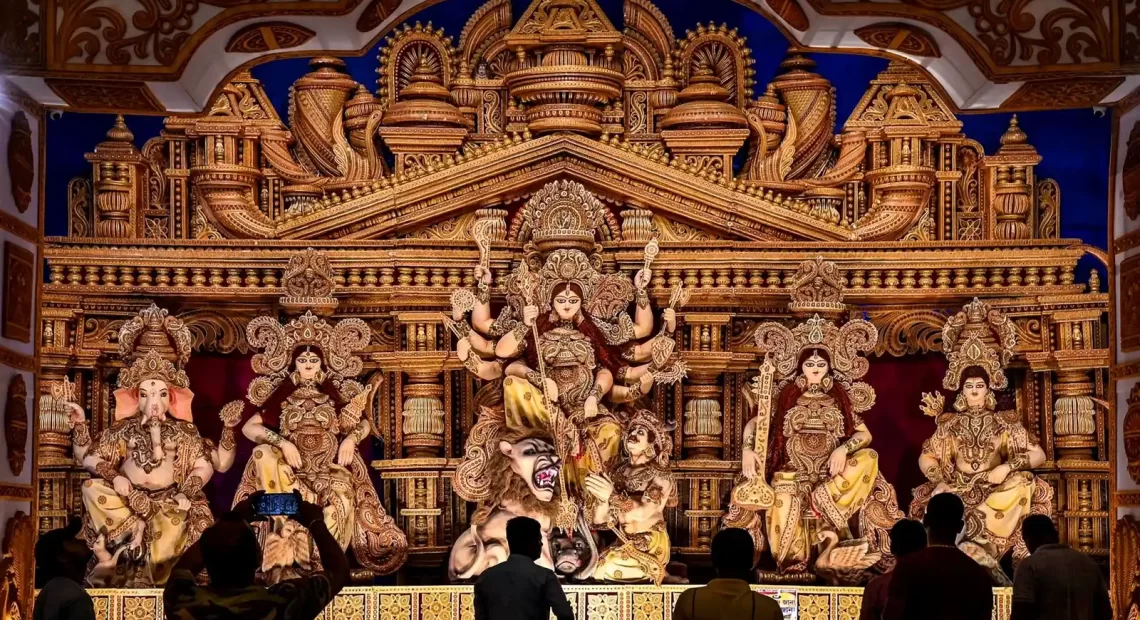
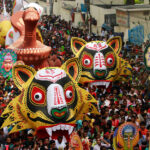
For a Bengali, Durga Pujo is not just a festival. It is a season, an entire lifetime of emotions crammed into five days of rituals, creativity, flavors, and connectedness. It is the same experience of home, the aroma of shiuli (evening flower), the thump of dhak, the quiet odes of Agomoni songs that call the Goddess, the wait for Pushpanjali, the festive sartorial display, the “bhog” khichuri, labra, and sweets, the exciting thrill of “pandal-hopping,” and at the tail end of the holiday cycle, the lump-in-the-throat moment of saying goodbye on Vijayadashami as the idol is submerged in the nearby rivers.
Generations of Bengalis have grown with these memories seared into their emotional DNA. To experience Pujo outside of Bengal is a reconnection to that childhood to say to everyone, “Even when we are far done with the current experiences of our life, we still belong.”
From Kolkata to Canada: Transplanting the Pujo Soul
The Bengali diaspora in Canada has created a small version of Kolkata every October. Cities such as Toronto, Montreal, Calgary, Ottawa, and other smaller cities have organized Durga Pujo events organized by cultural associations and volunteers.
Here are just a few of recognized groups and locations:
Bangiya Parishad Toronto (BPT)
One of the most prominent and historic Bengali cultural organizations in Canada, Bangiya Parishad Toronto has been celebrating Durga Puja since the 1970’s, with celebrations of copious scale and lavishness. In 2024, the Parishad will be hosting a three-day Durgotsav at Tagore Centre (140 Millwick Drive, Toronto). The event will include:
Ceremonial rituals: Often authentically conducted and complete with priests flown in from India in some years.
Cultural activities: Music, dance, theatre, and performances by both local artists and invited artists from Bengal.
Free community meals (bhog): Khichuri, labra, payesh and other offerings served to thousands of participants in attendance.
Family-friendly activities: Children competitions, storytelling and interactive workshops.For many Bengalis living in the Greater Toronto Area (GTA), this Pujo serves as their annual trip to a slice of Kolkata.
Amar Pujo Cultural Association of Toronto (APCAT)
APCAT is a newer association in Toronto with an emphasis on nostalgia and inclusivity. The association has a motto of “bringing back childhood Pujo charm” for first generation immigrants and exposing second generation Bengalis to certain parts of their culture. They do so by:
Setting a Kolkata environment: Everything from themed decorations to dhaak beats in the community hall were all reminiscent of Kolkata.
Student involvement: They engage school and college students to help keep younger Bengalis engaged.
Cultural entertainment: Local dance schools, theatre groups, and musicians provide entertainment.
Food: Stalls serve both traditional bhog as well as fusion Bengali street food. APCAT emphasizes establishing the cultural connections that make Pujo not only religious but also part of community bonding, so no one feels as distant from home during Pujo.
The Indian Bengali Association of Montreal (IBAM)
one of the most respected and oldest Bengali associations in North America, celebrating Durga Puja uninterrupted since 1975. In 2025, IBAM will celebrate its Golden Jubilee (50 years) of Pujo celebrations: a historic milestone. The three-day festival (October 3–5, at 4855 Av. de Kensington, Montréal) will have the following:
Traditional puja and rituals performed with strict adherence and fidelity.
Special golden jubilee cultural showcase involving dancers and musical artists from India and Canada.
Art and craft exhibits by local Bengali artists.
Daily bhog distribution to hundreds of devotees.
Interactive sessions for children and youth where mythology and Bengali tradition come alive.
IBAM’s Pujo has become an event of cultural significance in Montreal, attracting not only Bengalis but the wider Indian and Canadian communities interested to witness Bengal’s largest festival.
KWGC Bengali Cultural Group (Kitchener-Waterloo-Guelph-Cambridge)
KWGC serves the Bengali diaspora in Kitchener-Waterloo, and promotes a community that carries on South Asian festive traditions away from the larger Canadian centres, where one might expect traditions to be preserved. Their Durga Puja is a family-centered function, often described as “Pujo in your living room, but with a hundred families.” Some highlights of their Pujo include the following:
A close sense of community, working together, hand-in-hand, for a shared experience.
Participatory rituals that included community priests guiding all provocations to participate in pushpanjali, sindoor khela, and dhunuchi naach.
Culture evenings that showcase local talent, folk songs, Rabindra Sangeet, recitations, and some modern dance.
Another classic South Asian tradition, a potluck-style bhog and feast, where members of the community bring in home-cooked meals, alongside the traditional khichuri meal.
KWGC is one more example of how, even in a smaller Bengali population than other Canadian centers, Pujo is front and centre of the social calendar.
Celebrations in Smaller Cities across Canada
Alongside the larger populations of Toronto and Montreal, the Bengali communities in smaller Canadian municipalities also hold lively and spirited versions of Pujos:
Calgary: Each year Amra Sabai and the Bengali Association of Calgary coordinate the Durga Puja, with events that bring together the best of Bengali culture and the Western Canadian approach.
Ottawa: Deshantri conducts the Pujo with the rituals, bhog, and cultural events, drawing families and members from throughout the beautifully paved National Capital Region.
Windsor: SPONDON emerged as a cultural anchor of the Bengali community in the city of Windsor, hosting Durga Puja along with the Saraswati Puja and other festivals to promote and support traditional practices.
While the scope and scale of smaller events may not rival those of Toronto or Montreal in spectacle, they embody the warmth and intimacy of neighbourhood Pujos in Bengal.
An Example of a Narrative
In October, on a warm evening in either Toronto or Montreal, Bengali families congregate in brightly lit halls filled with incense. Children race to deliver the pujo pamphlet, volunteers hang up lights, and elders fold flowers while drums (dhak) and Sanskrit chants welcome the Goddess. Bhog (a ceremonial meal) is served, including khichuri, aloo dum, cholar dal, rosogolla (a Bengali dessert), and payesh (rice pudding), with laughter and Rabindra Sangeet filling the space. Folk dances and folk dramas specifically celebrate Bengali heritage, and friendships are rekindled. On the final day, women invoke joy (Sindur Khela) and Aarti provides tears of joy, along with hugs, waves, and goodbyes. It is so much more than a festival; it is a bridge of emotion and identity over borders and oceans, and distance diminishes with collective devotion.
Final Words
Durga Pujo in Canada serves as a living demonstration: home is not a location, it is memory, ritual, community.The Bengali communities in Canada have transferred the emotional core of Pujo, faith, art, belonging, nostalgia, to new, foreign soil. Every year, though far from the banks of Bengal, in community halls, and centres, lights flicker, flowers bloom, drums pound, Bengali hearts beat together under foreign skies. The festival reminds us that while we may be far from home, the spirit of Durga Pujo is forever in each chant, in every dance, in every shared meal, in every tear of ‘goodbye’ and promise: Until next Pujo.