Toronto spends over 3 million dollars for Taylor Swift Concert
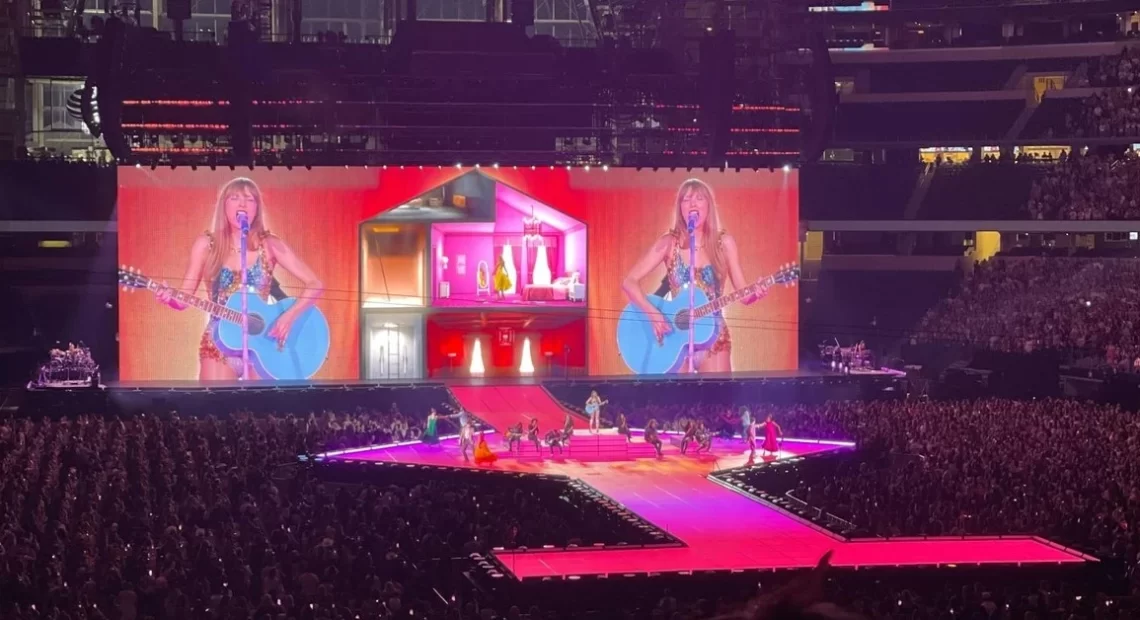
Probably the biggest expenses and the biggest economic benefits were caused by the city when Taylor Swift invited Toronto to six sold-out nights of the Eras Tour in November of 2025. A local report indicated that the concerts cost over $3.6 million of taxpayer finance to host the concerts and most of the funds are used on policing, transport, emergency management and cultural programming. Police alone was incurring $2.6 million, which included traffic control, venue security, merchandise location and hotel security yet the venue recovered 680,000 via paid-duty officers. Other expenses were attributed to increased public transit service of $1.7 million, transportation operation expenditure on traffic agents and signalization of $333,000 and emergency management staffing of 134,000. Smaller investments financed volunteer ambassadors, creative activations and marketing.
In spite of these spending, the economic payoff was high. Direct spending in the concerts was in the form of 152 million dollars with a breakdown of 141million dollars by out of towners and 11million dollars by the locals. Hotels in Toronto were fully occupied at 80.5 per cent, almost 10 per cent more than the two years prior, and the demand on short-term rentals was up 163 per cent. The retail and hospitality sectors were also strongly advantaged as the number of clothing sold up 49 per cent and restaurant expenditure up 57 per cent weekly.
Direct and indirect spending generated by the Government had a value of about 39.7 million in terms of government revenues but only approximately 8 million is sent to the City of Toronto with the rest being sent to provincial and federal governments. It is where the perpetual problem of municipalities that bear significant costs in hosting with minimal fiscal gains is seen.
In addition to economic results, the authorities of the city focused on the strategic importance of the concerts. The residency improved the international reputation of Toronto, inter-agency coordination and offered important operation lessons that could be useful in the management of large events. Such lessons are likely to aid in future cross-border events, such as the 2026 FIFA world cup, and entrench the high-value of hosting mega-events in the long run.