
New Hope for Bengal
A New Political Chapter and the Hope for Renewal
West Bengal has always held a unique place in India’s political, cultural, and intellectual history. From the Bengal Renaissance and the freedom movement to literature, cinema, education, and political thought, Bengal has consistently influenced national discourse far beyond its geographical boundaries. That is why every major political transition in the state carries significance not only for its residents but also for Bengalis living across the globe.
The recent political developments in West Bengal have created exactly such a moment—one filled with reflection, anticipation, and cautious optimism.
A Symbolic Beginning on Rabindranath Tagore’s Birth Anniversary
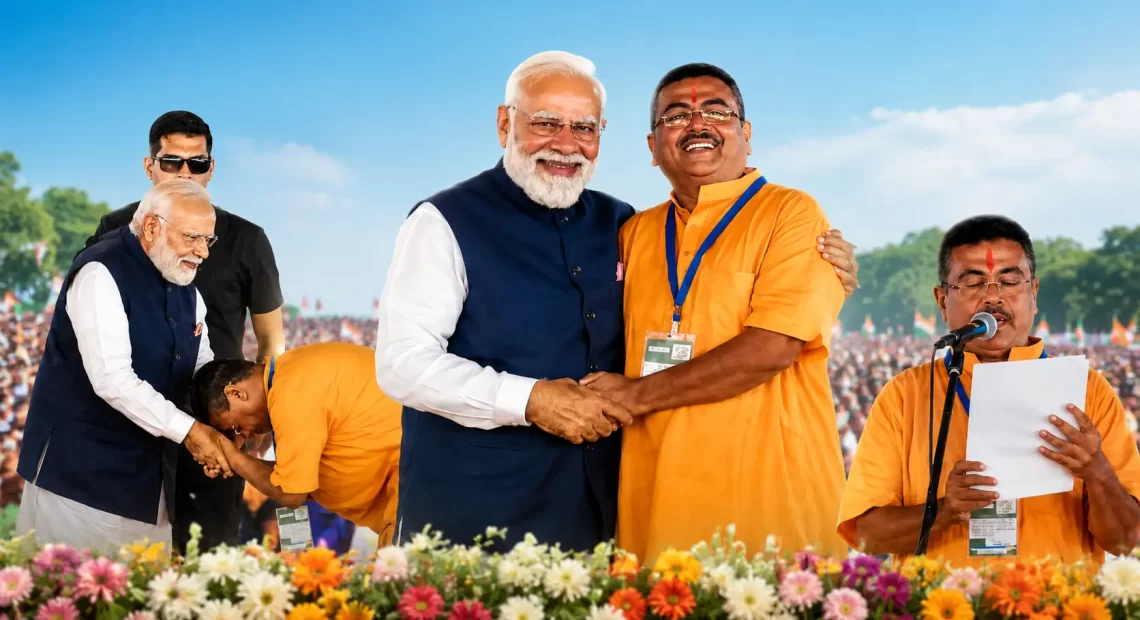
On May 9, observed as the birth anniversary of Nobel laureate Rabindranath Tagore, West Bengal witnessed the beginning of a new political chapter as a new Chief Minister took the oath of office. The timing of this transition carried strong symbolic value for many citizens.
Tagore represented ideals of humanity, creativity, reform, and progressive thinking. For many Bengalis, the coincidence of a political transition on such a culturally significant day felt deeply meaningful, connecting governance with Bengal’s rich intellectual and cultural legacy.
The moment quickly became a major topic of discussion across media platforms, political circles, and social communities worldwide.
A Decisive Electoral Mandate
The recently concluded West Bengal Assembly elections delivered a decisive mandate in the 294-member Assembly, bringing an end to a prolonged period of continuity in state leadership.
The election results drew attention across India and internationally. Political analysts described the outcome as one of the most significant developments in recent Bengali political history. Beyond party politics, the verdict reflected the mood of a large section of voters who were seeking administrative change and a renewed sense of direction.
For many citizens, the election was not merely about choosing a government. It was about expressing aspirations for better governance, stronger accountability, improved law and order, and more transparent administration.
Public Sentiment After Years of Controversy
Over the years, public discussions in Bengal were increasingly shaped by concerns over governance, allegations of corruption, political conflicts, and administrative inefficiencies. Controversies appeared frequently in public discourse, creating frustration among many ordinary citizens.
Whether these criticisms emerged from political opposition, media narratives, or genuine public dissatisfaction, they contributed to a growing sense of fatigue and uncertainty within society.
Issues such as:
- Employment opportunities
- Industrial growth
- Infrastructure development
- Safety and law enforcement
- Transparency in governance
- Educational and economic opportunities
became central concerns for voters across both urban and rural regions.
As a result, the election outcome came to symbolize more than just political change. For many people, it represented hope for a fresh administrative approach and a more stable future.
The Emotional Response of the Bengali Diaspora
The reaction to Bengal’s political transition was not limited to residents within the state. Across the global Bengali diaspora, emotions ran equally high.
Bengalis living in countries such as:
- Canada
- United States
- United Kingdom
- Australia
- United Arab Emirates
- Singapore
closely followed the elections through television coverage, digital media, and social networking platforms.
Community associations, cultural groups, and online Bengali forums became active spaces for discussion about Bengal’s future. Many expatriate Bengalis expressed renewed hope that the state could move toward stronger economic growth, improved governance, and social stability.
Why Bengalis Abroad Remain Deeply Connected to Bengal
For Bengalis living abroad, the connection to West Bengal extends far beyond politics. It is deeply tied to identity, language, culture, family roots, and emotional belonging.
Even after decades overseas, many members of the Bengali diaspora continue to follow developments in Kolkata and Bengal very closely. Political events in the state often evoke emotional reactions because they influence how people perceive the future of their homeland.
Among Bengali communities in Canada especially, conversations surrounding the election reflected a combination of nostalgia, concern, and optimism.
Many expressed hope that Bengal could once again become a destination for opportunity rather than a state from which talented youth feel compelled to leave.
The Longstanding Issue of Migration
One of the most emotional aspects of public discussion has been the issue of outward migration.
For years, thousands of students, engineers, doctors, researchers, entrepreneurs, and professionals from Bengal have moved to other Indian cities and foreign countries in search of better career opportunities and economic stability.
Cities such as:
- Bengaluru
- Hyderabad
- Pune
- Mumbai
- Delhi
- Toronto
- Vancouver
- London
- New York
have become home to countless talented Bengalis.
While migration is a normal part of a globalized economy, many people have felt disappointed that Bengal struggled to retain a large portion of its educated and skilled workforce.
Concerns over limited industrial expansion, fewer private sector opportunities, and slower economic growth often dominated conversations about the state’s future.
Hope for Economic Revival and Employment Growth
With a new administration now in power, many citizens are hopeful that Bengal could enter a period of economic renewal.
Supporters of the transition believe that stronger governance and better policy implementation may encourage:
- Industrial investment
- Job creation
- Infrastructure modernization
- Technological innovation
- Entrepreneurial growth
- Business confidence
There is growing optimism that Bengal’s existing strengths can be utilized more effectively.
These strengths include:
- A highly educated population
- Strong academic institutions
- Strategic geographic location
- Rich cultural heritage
- Port connectivity
- Creative and entrepreneurial talent
Many believe that with proper planning and governance, Bengal has the potential to emerge once again as a major center for industry, technology, education, and innovation.
Challenges Ahead for the New Administration
Despite the optimism, political observers and citizens alike recognize that expectations are extremely high.
Electoral victory alone cannot solve long-standing structural challenges overnight. The new government will face major responsibilities in areas such as:
Key Challenges Ahead
- Unemployment and job generation
- Healthcare accessibility
- Urban infrastructure
- Rural development
- Women’s safety
- Industrial modernization
- Environmental sustainability
- Administrative transparency
The success of the new administration will depend not only on political leadership but also on consistent policy execution, institutional efficiency, and public trust.
The Importance of Social Harmony
Another major expectation from citizens is the restoration of social cohesion and democratic stability.
West Bengal has historically been known for intellectual openness, cultural diversity, and communal coexistence. Many people now hope for a political atmosphere that encourages constructive dialogue rather than continuous polarization.
Citizens across different sections of society are looking for:
- Peaceful democratic engagement
- Stronger law and order
- Respect for institutions
- Greater accountability
- Reduced political conflict
For many, restoring public confidence in governance is just as important as economic development.
A Vision for Bengal’s Future
Economists and policy experts often point out that Bengal possesses enormous untapped potential.
If governance, infrastructure, and investment conditions improve, sectors such as:
- Information Technology
- Tourism
- Logistics and Trade
- Renewable Energy
- Education
- Food Processing
- Textiles and Manufacturing
- Creative Industries
could experience substantial growth in the coming years.
Bengal’s globally respected strengths in literature, cinema, music, arts, and intellectual culture also continue to provide strong cultural influence internationally.
For younger generations especially, the aspiration is simple but powerful—to build successful careers and meaningful lives without needing to leave their home state.
More Than Politics: A Question of Aspirations and Identity
Ultimately, this political transition represents far more than a change in government.
For many Bengalis, both within the state and abroad, this moment reflects deeper aspirations related to dignity, opportunity, development, and identity.
People want to see a Bengal that is:
- Economically vibrant
- Socially stable
- Politically accountable
- Culturally confident
- Peaceful and progressive
Whether these hopes become reality will depend on decisions made in the years ahead by political leaders, institutions, civil society, and citizens themselves.
Conclusion
A Moment of Cautious Optimism
At present, a sense of cautious optimism can be felt across West Bengal and among Bengali communities worldwide.
It is the optimism of people who believe that Bengal can once again move toward a future defined by confidence, opportunity, innovation, and prosperity.
History has shown that Bengal possesses remarkable resilience, creativity, and intellectual strength. Many now hope that this new political chapter will help unlock that potential once again and guide the state toward a more stable, progressive, and prosperous future.